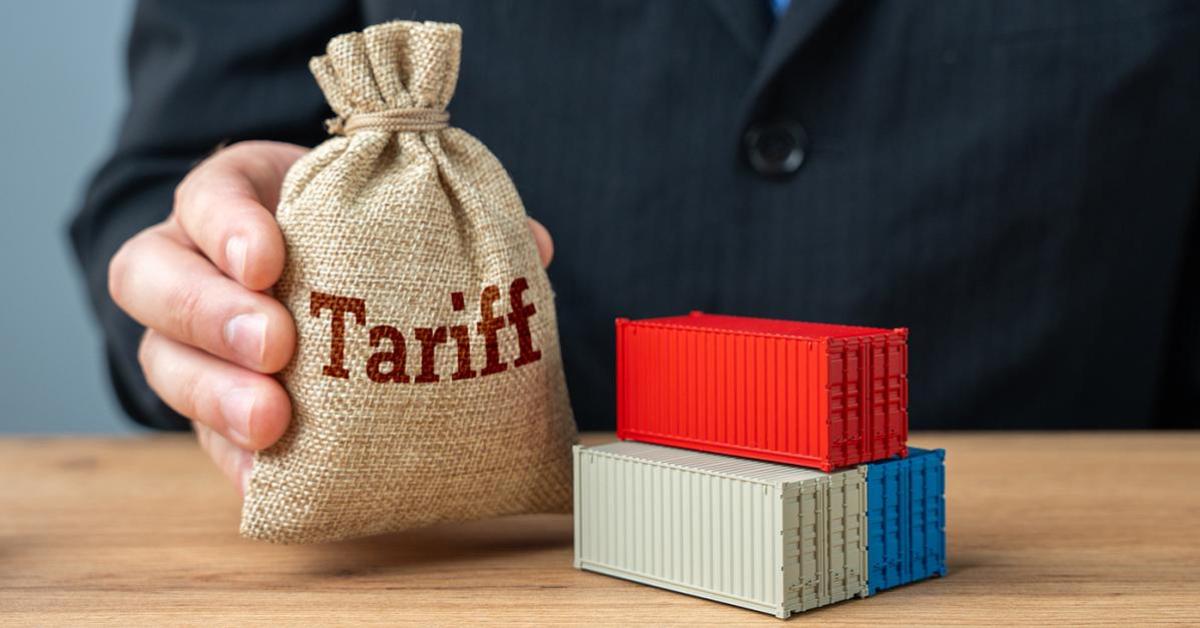

CLEVELAND — Tariffs are changing global supply chains, and linen suppliers are scrambling to adopt new and creative approaches to avoid steep cost increases while attempting to hold on to a level of delivery efficiency.
The changes to U.S. import taxes have caused some significant changes in transporting linen from manufacturers, and some of them are completely rewriting how linen comes to the United States and where it comes from.
Tariffs are taxes levied on goods entering the U.S., and these taxes are not limited to new goods. The intent of tariffs is, among other things, to protect domestic industries from foreign competition, generate tax revenue and to exert political pressure.
The U.S. has used tariffs to target specific countries and industries, particularly China, steel and aluminum producers, and high-tech industries. As this is not a political article, the “why” is not material to the impact on delivery and supply-chain operations.
The new tariffs have significantly impacted the delivery of goods to the U.S. market, and these effects include increased costs. These higher prices that make up the cost of (landed) goods are mainly product pricing, shipping, insurance and duties. This leaves suppliers with only a few options. They can raise prices and pass the expense on to end users, absorb the costs or seek alternative suppliers and logistics that may have more favorable terms.
With tariffs targeting countries, suppliers may have to shift sourcing to other regions, but it’s no small task to switch immediately. Simply reconfiguring can delay delivery and create more complex logistics.
Higher security at ports due to tariff enforcement will create longer customs clearance times, which further delay product availability.
Some linen suppliers have increased stock levels, but this is a gap measure, and the warehousing and forecasting issues with this have their own cost. Reshipping goods from tariff-heavy countries to those with more favorable rates and then sending them to the U.S. has been done, but the time factor and number of variables become highly complex and often the savings potential is offset with the additional expense. Think demurrage, the cost of a container that sits on the dock overnight or over a weekend awaiting pickup.
Suppliers have shifted their operations to adapt to these changes, but this takes time. One of the key adjustments is that they are diversifying their manufacturing away from tariff-heavy countries. Looking for alternatives to Chinese and Indian linen companies, places like Vietnam, Mexico and Eastern Europe are being engaged with potential U.S. business opportunities.
Free Trade Zones (FTZs) are also a key component in this puzzle. They are areas within the U.S. where imported goods can be stored, assembled — cut and sewn — and processed without immediate payment of duties. Linen suppliers may be able to defer, reduce or eliminate tariffs using this potential option.
Going hand in hand with this option is tariff engineering, which loosely means to modify products or packaging to change the product classification under the Harmonized Tariff Schedule, or HTS, to lower the applicable duty rate.
Front-loading shipments is cash-intensive but possible; however, tariff rate changes have made this a risky gambit. Rates may have changed several times while a container of goods is in transit, and the rate on the day it is unloaded is the rate charged.
Other companies have shifted strategies. Levi Strauss & Co. has sourced denim from countries like Bangladesh and Turkey because the Chinese denim was taxed so heavily.
Being aware of the changing landscape of simply getting your linen is an advantage. Knowing that things are not the same as they were a year ago will help you to better plan future linen purchases.
Tariffs have changed the game for our suppliers, and we will have to adapt as well. Some tariffs may be temporary or politically driven; this trend implies a shift to a more protectionist policy for the future.
Long-term implications will likely produce actions akin to reshoring and nearshoring, which bring production closer to the U.S. to reduce exposure to foreign tariffs. This action will need to have an increased level of automation in the processing, as labor rates will likely be higher closer to home.
With trade policy in flux, it is extremely challenging for our manufacturers and suppliers to plan and execute long-term changes in supply-chain logistics.
In essence, adaptability will be key. We can expect the goods we use to be a little different in materials and construction. It will be realistic to expect that we will have to adjust our processing to accommodate future linens we will be receiving.
Have a question or comment? E-mail our editor Matt Poe at [email protected].