
CLEVELAND — The textile industry, and in particular healthcare and hospitality textiles, has increasingly turned its attention to sustainable materials, wanting to minimize environmental impact while keeping performance consistent.
Bamboo fiber is showing up in products now and has a natural softness, antibacterial properties, and biodegradability in its favor. However, bamboo textiles also have significant challenges related to chemical processing, durability, and regulatory acceptance.
Recent research and industry applications provide us with what we can expect of the future of this option.
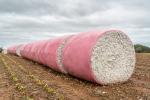
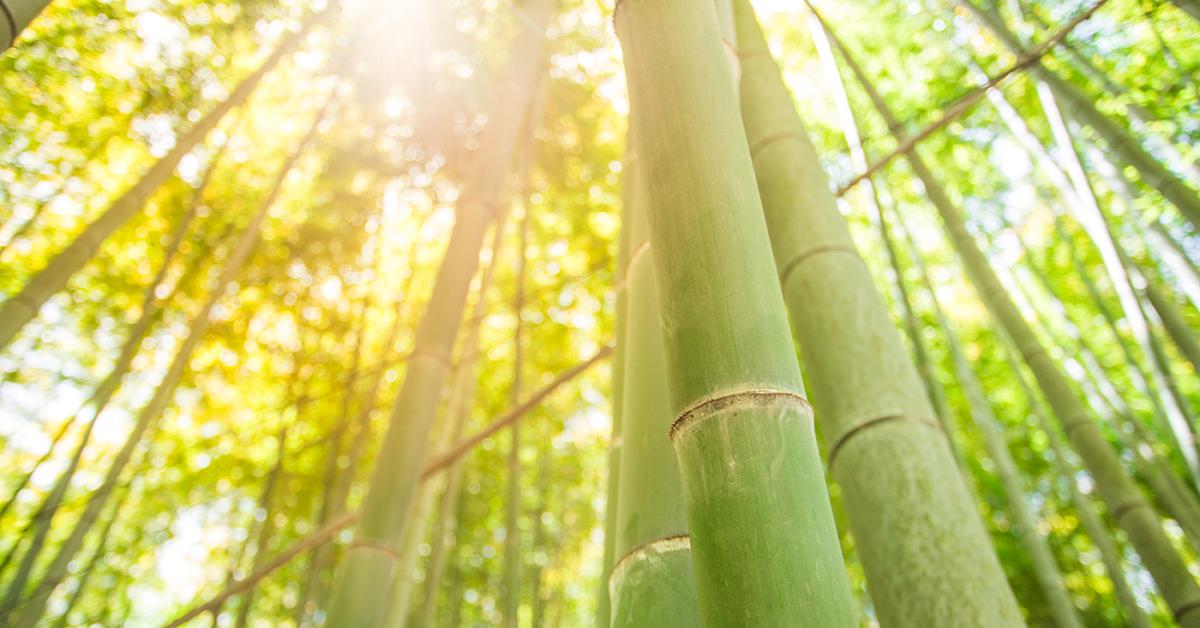
One of the biggest benefits of bamboo is environmental sustainability. Bamboo is one of the fastest growing plants in the world; some species can grow up to 1 meter per day. This makes it rapidly renewable compared to cotton. Cultivation requires minimal water, fertilizers, and pesticides, minimizing the agricultural footprint. Compared to cotton, bamboo is a substantially greener option.
Bamboo can grow in diverse climates and aids in soil stabilization. The global textile industry is facing scrutiny for its environmental impact. Bamboo’s biodegradability gives facilities a bonus in reducing healthcare waste from disposable gowns, scrubs, wipes, dressings and hygiene textiles.
Sustainability depends heavily on processing methods. While bamboo cultivation is environmentally friendly, the production pathway that turns bamboo into fiber significantly affects the true impact.
Laundry professionals require textiles that balance durability with comfort. Bamboo textiles excel in this category, offering several inherent comfort-oriented qualities. Bamboo fibers possess a naturally smooth microstructure, 1 to 4 microns in diameter, super softness, and reduced skin irritation. This makes bamboo an attractive material for hospitality, healthcare and home use.
Moisture-wicking efficiency is another important factor. Bamboo has about a 30% higher moisture-wicking efficiency than traditional cotton, helping keep users dry and comfortable.
Temperature regulation is another significant advantage. Bamboo fibers help keep the body cool in warm conditions and preserve warmth in cooler environments. This flexibility enhances comfort in nearly every application.
Bamboo also has natural antibacterial properties, attributed to a bio agent in the plant known as “bamboo kun.” This inhibits bacterial growth and reduces microbial activity without requiring chemical treatments. One laboratory testing shows bamboo-based fabrics can achieve up to 99.7% reduction in E. coli and Staphylococcus aureus within two hours of contact. These hygiene-focused properties are excellent for healthcare and hospitality linens.
Finally, healthcare trials indicate bamboo scrubs may reduce skin irritation among staff, improving comfort and compliance with uniform standards.
That is the good news. Now for the other side of bamboo.
More than 90% of bamboo textiles are produced through the viscose process, which involves dissolving bamboo pulp in chemicals such as sodium hydroxide and carbon disulfide, a known neurotoxin that can pose risks if not properly managed.
Mechanically processed bamboo can preserve the plant’s natural qualities without harsh chemicals; it accounts for less than 5% of production as a higher cost limits its availability at this time.
Regenerated bamboo fiber currently varies widely in durability depending on the specific chemical processes and manufacturing controls used. Inconsistencies in tensile strength and wear resistance can affect textile performance in high-demand environments, when linens must withstand frequent industrial laundering.
There is a question of labeling accuracy with some products marketed as “eco-friendly bamboo” that are being chemically processed with rayon, potentially seriously reducing their beneficial properties and very misleading under that label. This lack of transparency can confuse a laundry searching for sustainable solutions, and once again, raises questions about the need for regulatory oversight in the global textile supply chain.
Bamboo farming is cost-efficient, but mechanical fiber extraction and high-quality bamboo textile production remain more expensive than traditional cotton or polyester options. Laundries must consider sustainability and performance gains against budget constraints.
Have a question or comment? E-mail our editor Matt Poe at [email protected].